
Introduction
Protect more, waste less
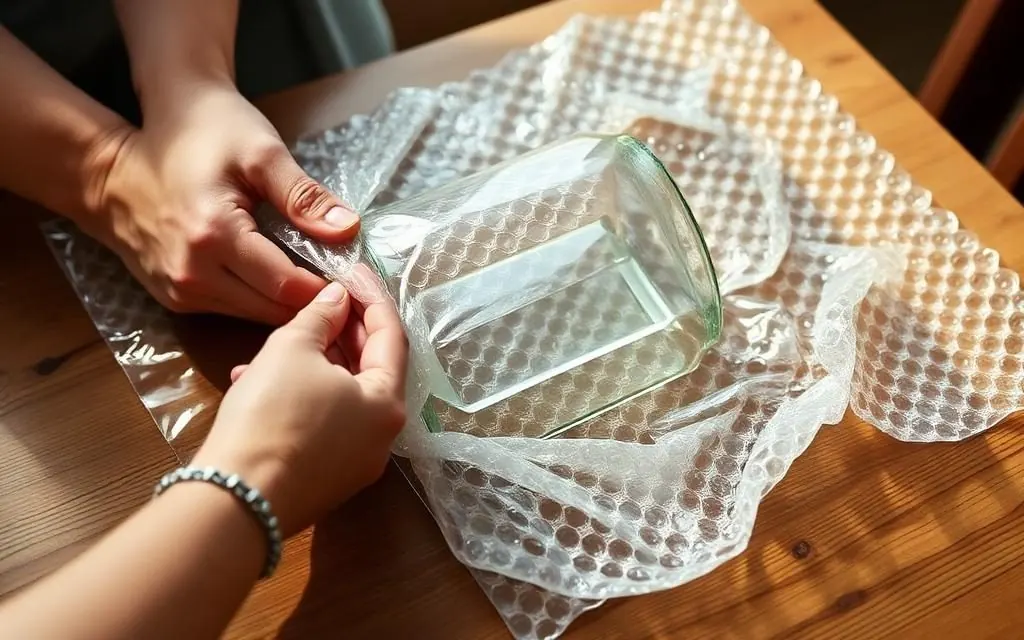
Packing fragile items is one of the biggest worries during a house move. Glassware, mirrors, artwork, lamps, ornaments, televisions and electronics all need proper protection, but that does not mean wrapping every single item in half a roll of bubble wrap. In fact, using too much bubble wrap in the wrong places can be wasteful, expensive and sometimes less effective than a proper packing method.
At Smart Move Removals, our crews handle fragile items every day, from everyday kitchen glassware to large mirrors, framed pictures, computer equipment and delicate ornaments. The secret is not simply using more packing material. The secret is using the right material, in the right order, with the right packing technique.
This guide explains how to pack fragile items safely, reduce waste and protect your belongings properly before moving day.
Materials
Start With the Right Packing Materials
Before packing fragile items, it is worth gathering the correct materials. Strong boxes, packing paper, bubble wrap, tape, labels and soft padding all play different roles.
For most fragile packing, you will need: strong double-walled cardboard boxes, packing paper or clean tissue paper, bubble wrap for high-risk items, packing tape, fragile labels or a marker pen, old towels, bedding or soft clothing, cardboard corner protectors for artwork and mirrors, and plastic bags for cables and small fittings.
The mistake many people make is using bubble wrap as the first and only layer of protection. Bubble wrap is useful, but it should often be used alongside packing paper, cardboard and soft padding. Packing paper is better for wrapping many smaller items because it sits closer to the surface, helps prevent scratches and reduces the amount of plastic used.
Bubble wrap should be saved for impact protection, not wasted on every single mug, plate or glass.
Golden rule
Stop Movement Inside the Box
The most important rule when packing fragile items is simple: nothing should move inside the box.
Most breakages happen because items knock into each other during lifting, loading, braking or unloading. A box may be handled carefully, but if the contents rattle around inside, damage becomes much more likely.
Before placing fragile items into a box, add a cushioned base layer. This can be crumpled packing paper, a folded towel, bedding, or a few sheets of bubble wrap. Once the box is full, add another layer of cushioning on top before sealing it.
After sealing the box, gently lift and tilt it. If you can hear movement, open it and add more padding. A properly packed fragile box should feel solid, supported and controlled.
Glassware
How to Pack Glassware Safely
Glassware is one of the most common fragile items in a house move. Wine glasses, tumblers, champagne flutes and delicate glass ornaments need careful wrapping.
Start by placing a small amount of packing paper inside each glass. This supports the shape and reduces pressure if the glass is gently compressed. Then wrap the outside of the glass with packing paper. For very delicate or expensive glassware, add a small layer of bubble wrap over the paper.
Always pack glasses upright, not lying flat. Think of how glasses are stored in a cupboard or transported in commercial packaging. Upright positioning gives them better strength and reduces the chance of pressure on the weakest points.
Place heavier glasses at the bottom of the box and lighter, finer glasses above them. Use dividers if you have them, or create separation using folded cardboard or crumpled paper. Fill all gaps so the glasses cannot knock together.
Do not overfill glassware boxes. It is better to use two smaller, manageable boxes than one large, heavy box that is difficult to lift safely.
Crockery
How to Pack Plates, Bowls and Crockery
Plates should not be packed flat in a stack. Although that may feel natural, it places pressure across the surface and can cause cracks if the box is dropped or compressed.
The professional method is to wrap each plate in packing paper and place plates vertically in the box, like records in a crate. This gives them more strength and helps absorb movement.
For valuable plates or fine china, place a thin sheet of bubble wrap between every few plates, rather than wrapping every plate heavily. This gives extra protection without wasting material.
Bowls can be nested together, but each one should still have a layer of paper between it and the next bowl. Wrap small groups together once separated, then place them into the box with padding around the sides.
Mark the box clearly as “Fragile – Kitchen” and avoid stacking heavy items on top of it.
Mirrors
How to Pack Mirrors
Mirrors require more than bubble wrap. The biggest risks are corner impact, surface pressure and twisting during lifting.
First, use masking tape or painter’s tape to create a large X shape across the glass surface. This does not make the mirror unbreakable, but it can help reduce movement if cracking occurs and reminds everyone that the item contains glass.
Next, protect the corners. Mirror corners are vulnerable during carrying and loading, so use cardboard corner protectors or folded cardboard taped around each corner.
Wrap the mirror in a soft blanket, bubble wrap or foam sheeting. For larger mirrors, add a flat layer of cardboard across the front and back. This helps spread pressure across the surface rather than allowing one impact point to damage the glass.
Large mirrors should be moved upright, not flat. They should also be secured inside the removals van so they cannot slide, flex or fall against heavier furniture.
Artwork
How to Pack Framed Artwork and Pictures
Artwork needs protection from scratches, pressure, moisture and corner damage. Before packing framed pictures, check whether the artwork is covered by glass, acrylic or open canvas.
For framed pictures with glass, use the same X-tape method used for mirrors. Protect the corners with cardboard and wrap the frame in packing paper first. Then add bubble wrap or a soft blanket around the outside.
For canvases, avoid placing bubble wrap directly against painted surfaces, especially if the artwork is valuable or textured. Use acid-free paper or clean packing paper as the first layer, then add padding around the outside. Bubble wrap can sometimes leave marks if pressed directly against delicate surfaces for too long.
Large artwork should be packed in picture cartons where possible. If not, use flattened cardboard sheets to create a protective sandwich around the item.
Always transport artwork upright and keep it away from sharp furniture edges, tools, plant pots and heavy boxes.
Electronics
How to Pack Electronics
Electronics are fragile in a different way. The issue is not only impact damage, but also screen pressure, cable confusion, dust and moisture.
Where possible, pack electronics in their original boxes. Original packaging is designed to fit the item properly and usually includes shaped protection. If the original box is not available, use a strong box with plenty of internal padding.
Before unplugging computers, televisions, routers, monitors or gaming equipment, take photos of the cable setup. This makes reconnecting everything much easier at the new property.
Remove cables and accessories where possible. Place them in labelled bags and either tape the bag to the item or place everything in the same box. Do not leave cables dangling, as they can catch, bend or damage ports.
Screens should be protected with a soft first layer, such as a microfibre cloth, clean towel or foam sheet. Then add cardboard or bubble wrap for impact protection. Avoid pressing bubble wrap directly against certain screen surfaces for long periods, especially if the item may be stored.
Keep electronics boxes upright and label them clearly. It is also sensible to keep valuable small electronics, hard drives and important devices with you rather than loading them deep inside the removals van.
Lamps
How to Pack Lamps and Light Fittings
Lamps are awkward because they often combine fragile shades, thin stems, bulbs and bases. Always remove bulbs first and wrap them separately, or dispose of old bulbs safely if they are not worth moving.
Lampshades should be packed separately where possible. Do not crush them into boxes with heavier items. Use a box that allows the shade to sit naturally, with light padding around it.
Lamp bases should be wrapped in packing paper, then protected with bubble wrap if they are ceramic, glass or metal with delicate detailing. Keep any small fittings, screws or specialist parts in a labelled bag.
Reduce waste
Use Towels and Bedding to Reduce Waste
One of the best ways to avoid wasting bubble wrap is to use items you are already moving. Towels, bedding, blankets, cushions and soft clothing can all provide excellent protection.
Use towels to line the bottom of fragile boxes. Wrap blankets around mirrors, lamps or framed pictures. Place cushions between delicate items in the van. Use tea towels between plates or serving dishes.
This method saves packing material, reduces plastic waste and makes better use of space. The key is to use clean, dry, soft fabrics and avoid anything with zips, buttons or rough surfaces that could scratch delicate items.
Labelling
Label Fragile Boxes Properly
A fragile box should be easy to identify from more than one side. Write the room name, contents and handling instruction clearly, such as “Fragile – Kitchen – Glassware”, “Fragile – Lounge – Picture Frames”, “Fragile – Office – Computer Equipment” or “Keep Upright – Mirror”.
Do not rely on a tiny label on the top of the box. Once boxes are stacked, the top may not be visible. Mark at least two sides so the removals crew can see the instruction quickly.
It is also worth marking boxes that should not have anything placed on top of them.
Common mistakes
Avoid Common Fragile Packing Mistakes
A lot of damage happens because of simple packing errors. Avoid using weak supermarket boxes for fragile items, as they may collapse when stacked. Do not leave empty space inside boxes. Do not mix heavy tools, books or tins with glassware. Do not use newspaper directly against items that may stain, such as white ceramics or light lampshades.
Avoid making boxes too heavy. A box can be well packed internally but still unsafe if it is too heavy to lift steadily. Smaller, stronger boxes are usually better for fragile items.
Also, do not assume that writing “fragile” on a badly packed box will protect it. The label helps the removals team handle the box correctly, but the packing inside the box does most of the protective work.
Professional help
When to Use Professional Packing Help
If you have expensive artwork, antiques, chandeliers, large mirrors, specialist electronics or a full kitchen of delicate glassware, professional packing can be a sensible choice.
Experienced removal teams know how to protect fragile items efficiently without wasting material. They also understand how to load fragile boxes and awkward items correctly inside the vehicle, which is just as important as the packing itself.
Professional packing is especially useful if you are short on time, moving a large property, relocating a business, or placing items into storage.
Final thoughts
Final Thoughts
Packing fragile items safely is not about wrapping everything in endless bubble wrap. It is about controlling movement, protecting weak points, using layers correctly and choosing the right materials for each item.
Glassware needs internal support and upright packing. Plates should be wrapped and placed vertically. Mirrors and artwork need corner protection and flat surface support. Electronics need careful screen protection, cable organisation and strong boxes.
With the right method, you can reduce waste, save money on materials and give your fragile belongings a much better chance of arriving safely.
Smart Move Removals provides professional house removals, packing services, fragile item protection, careful loading and secure transport. Whether you need help with a full move or just want expert support for your most delicate items, proper packing makes all the difference.